How a Song Is Recorded: From Demo to Master
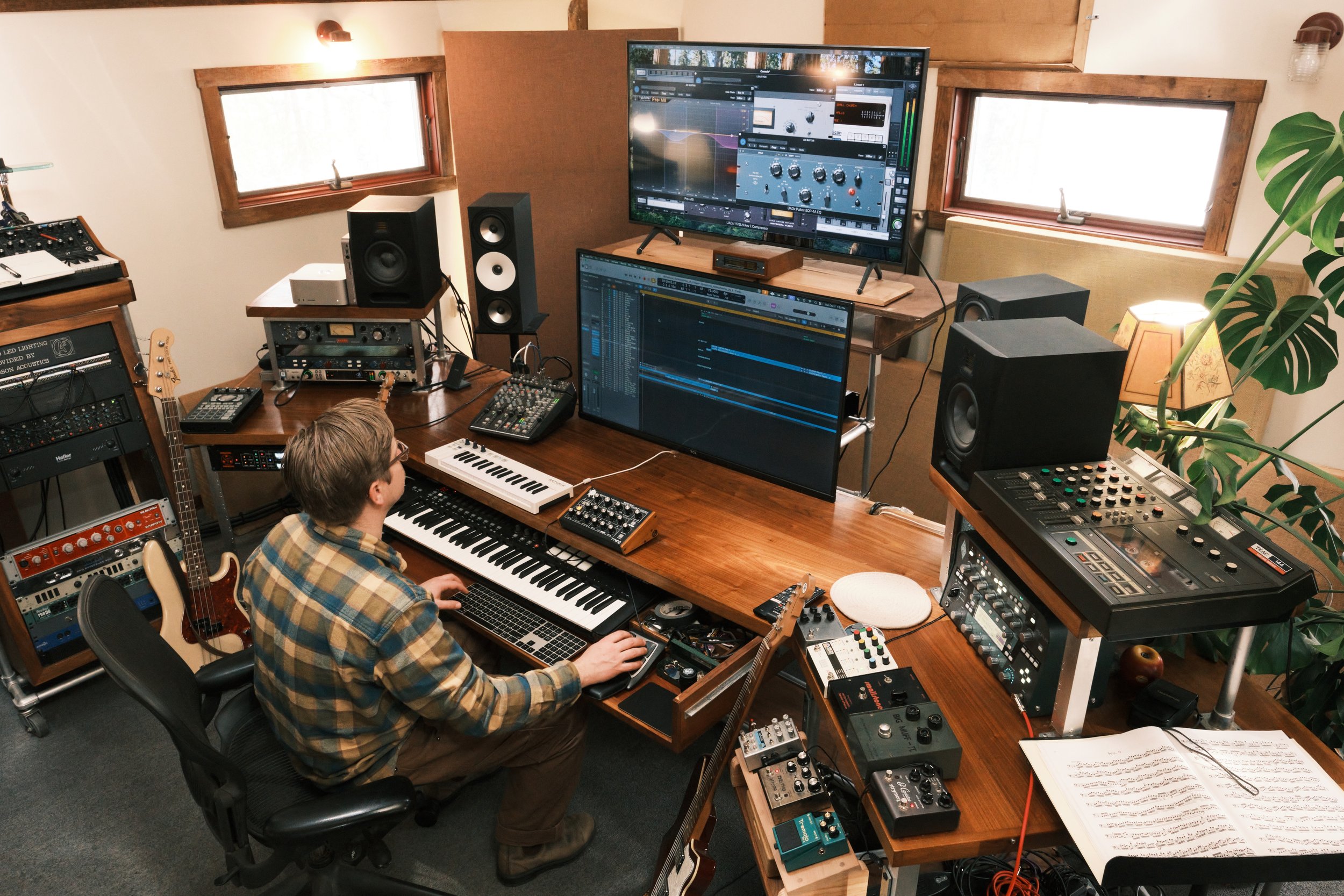
The process of recording and producing music has changed over the years, but many of the core steps have remained the same. Even in the modern era of computers, software, and AI tools, songs still move through a familiar path — from an initial idea to a finished, release-ready master.
While every project is different, most songs follow a version of the same overall process.
1. Demo
A song usually begins as a simple demo. This can be as informal as a voice memo recorded on a phone, or a rough guitar-and-vocal recording made at home.
At this stage, the goal isn’t quality — it’s capturing the idea:
Melody
Lyrics
Basic structure
Emotional intent
Many great songs start life with a simple recording.
2. Music Production
Once the song itself is solid, the demo is often expanded into a rough production.
This is where instrumentation begins to take shape:
Drums
Bass
Guitars
Keys or synths
Background vocals
The goal here is to build up the song, one piece at a time, until the whole production comes together and it feels like a song. Its not a finished product yet, but all the parts are there.
3. Rough Mix
A rough mix gives the song its first sense of balance.
Levels are adjusted so everything can be heard clearly, and basic processing may be applied to help the song feel cohesive. This mix isn’t meant to be final — it simply gives the impression of what the finished song might sound like.
Rough mixes are often used to:
Share the song with collaborators
Make arrangement decisions
Sit with the song before committing to final choices
4. Final Mix
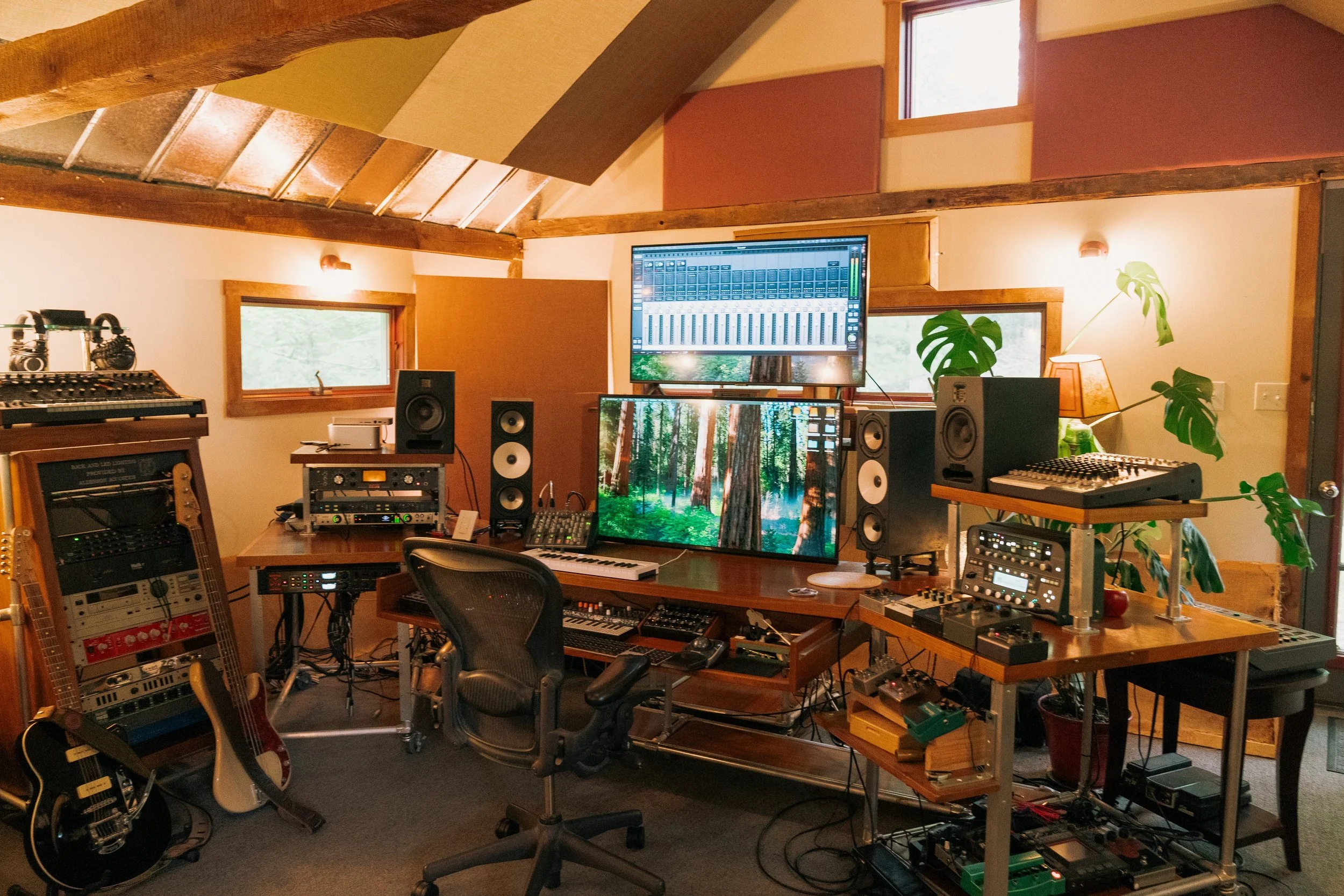
The final mix is where the song is fully shaped.
This process typically includes:
Balancing levels
EQ (equalization)
Compression
Effects like reverb and delay
Automation and detailed edits
The goal is clarity, impact, and emotional translation across different listening environments. Once the mix is complete, it’s reviewed and approved by the artist or client.
5. Mastering
After the mix is approved, the song moves on to mastering.
Mastering prepares the song for release by:
Adjusting overall EQ
Controlling dynamics
Increasing loudness in a musical way
Ensuring consistency across playback systems
The master is the final version of the song — the one that will be distributed.
6. Distribution
Once mastered, the song is ready to be delivered to:
Streaming platforms
Digital service providers (DSPs)
Physical formats (if applicable)
At this point, the recording process is complete, and the song is ready to be shared with the world.
Final Thoughts
While technology continues to evolve, the journey from demo to master remains largely the same. Each stage builds on the last, turning a simple idea into a finished recording that represents the artist and what they hope to communicate with their music.
Understanding this process helps artists make better decisions, prepare more effectively, and get the most out of their recording experience.