Producer vs Recording Engineer vs Mixing Engineer vs Mastering Engineer
Whats the difference?
Recording a song typically involves a number of different people, each working on a distinct part of the process. Songs often start as a demo and end as a mixed and mastered stereo file that’s uploaded to streaming services for the world to hear - but what are the steps in between? And who are the people that make this process happen?
Producer
The producer’s main job is to organize the process and make sure the song gets from demo to a fully produced recording. They help with pre-production and make sure everything is ready to go before the sessions start. This can include helping choose the right studio, hiring the appropriate recording engineer, organizing session musicians, and making sure everyone gets paid.
Most importantly, the producer keeps the project on schedule and on budget.
The 1980s and 1990s shaped a slightly different public idea of what a producer is, with the rise of the producer/beat-maker. People who make beats are also considered producers, but the process is often different, as it usually doesn’t involve live musicians or traditional recording studios. There are also producers - like Rick Rubin - who function more as “executive producers,” becoming less involved in the technical details and more focused on guiding, critiquing, and shaping the final artistic direction.
In a traditional studio setting, the producer works with a band or artist alongside a recording engineer to achieve the sound the artist is aiming for - and, if the artist is signed, a sound that the record label will approve, often in coordination with an A&R representative.
Recording Engineer
The recording engineer typically works for a recording studio, freelances across multiple studios, or is brought in by a label or producer. Their primary responsibility is capturing high-quality recordings.
This includes setting up microphones, cables, mic preamps, compressors, consoles, and other studio equipment, and recording performances into a computer-based DAW (Digital Audio Workstation) such as Pro Tools or Logic Pro. Choosing the right microphones, setting up the room, patching equipment properly, and ensuring everything is recorded cleanly and accurately is central to their role.
Recording engineers also need to work quickly, take direction well, and keep sessions running smoothly. The job requires a balance of fast-paced technical skill and strong people skills. They often work hand-in-hand with the producer to capture the right performances, make creative decisions efficiently, and get everything recorded within the allotted time.
Mixing Engineer
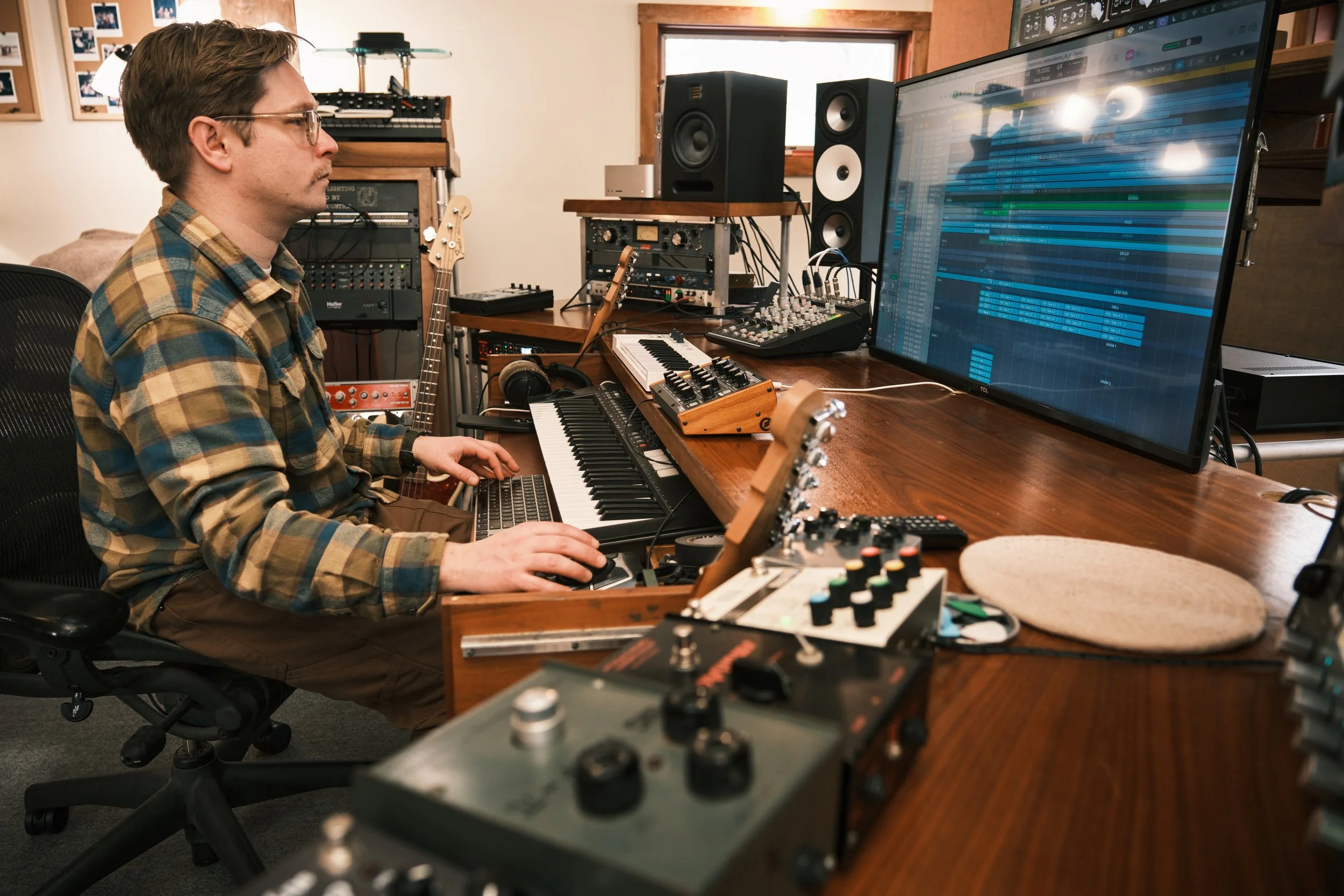
A mixing engineer usually comes into the process after the song has been fully recorded and produced. They take the individual recordings, clean them up, and shape them so that everything fits together cohesively.
This includes balancing levels, using EQ, compression, reverb, and other effects, and creating depth, clarity, and impact in the song. Mixing engineers may work on large-format analog consoles or entirely “in the box” using software - but in either case, the process starts with individual tracks (often referred to as stems) and ends with a finished stereo mix.
That final mix is delivered as a two-track (left and right) file, set to an appropriate level, and prepared for mastering.
Mastering Engineer
The mastering engineer takes the final stereo mix and applies subtle processing so that it translates well across a wide range of playback systems. Their goal is to ensure the song is loud enough, clear enough, and balanced enough to stand up alongside other professionally released music.
Mastering engineers often use highly specialized equipment and work in carefully tuned listening environments. Beyond improving individual songs, they also ensure consistency across an EP or album - especially when songs were recorded or mixed by different studios, engineers, or producers.
Their role is to make the project feel like a cohesive body of work. Once complete, they deliver files that are ready to be sent to streaming platforms or prepared for vinyl and other physical formats.
Overview
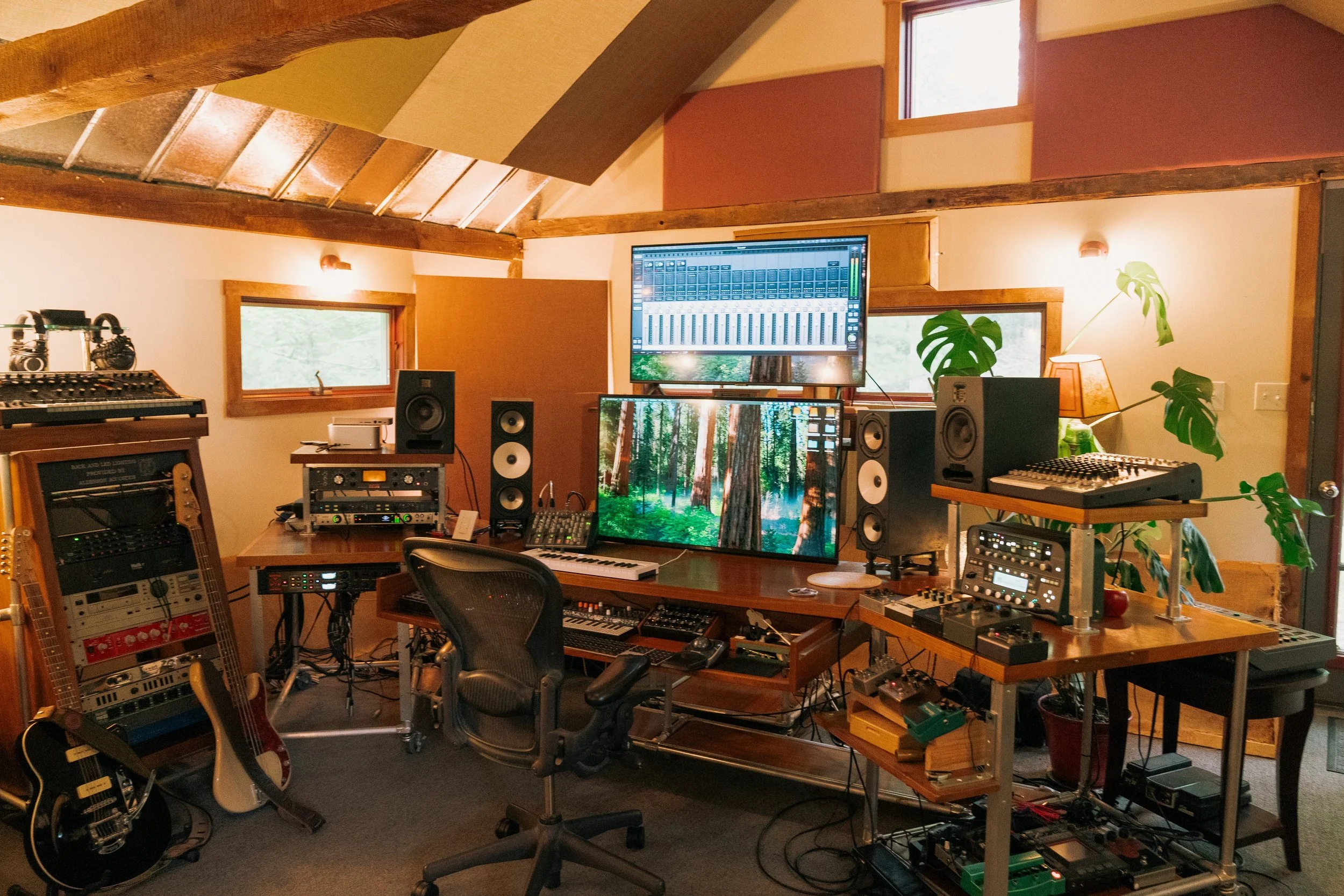
Traditionally, the recording process involved a different specialist for each of these roles, each with their own workflow, tools, and expertise. In the modern recording landscape, however, it’s often more cost-effective - and practical - for fewer people to take on multiple roles.
Today, it’s common to work with producer/engineers or engineers who also handle mixing and mastering. Not every project has the budget to hire a full team, so modern studios have adapted by streamlining the process while still maintaining high standards.
At Elbow Room Recording Studio, we do exactly that - simplifying the recording process to make it more affordable, efficient, and artist-friendly.
If you’d like to learn more, feel free to fill out the contact form and get in touch.